- All
- Product Name
- Product Keyword
- Product Model
- Product Summary
- Product Description
- Multi Field Search

Views: 0 Author: Site Editor Publish Time: 2026-02-11 Origin: Site


Flush doors are often seen as plain, flat doors, but their minimalist design can greatly enhance any space. Have you ever wondered how to elevate their look and ensure they last for years? A well-finished flush door not only looks polished but also serves as a protective barrier against wear and tear.
In this guide, we will discuss the importance of finishing your flush door, whether it's for aesthetic reasons or durability. You’ll learn how to choose the right finish—be it paint, stain, or varnish—and the proper techniques to apply it. By the end of this article, you'll have the knowledge to give your flush door the perfect finish, ensuring it stays functional and beautiful for years to come. From preparation to the final coat, we’ll cover every step, including useful tips and troubleshooting advice.

Before starting the finishing process, it’s essential to remove any hardware, such as handles, knobs, or locks. This ensures that no paint or finish will accidentally cover these areas, leading to a messy outcome. You should also clean the door’s surface to remove any dust, dirt, or grease. Use a damp cloth and mild detergent to clean the door thoroughly, ensuring the surface is free of any particles that could interfere with the application of the finish.
After cleaning, make sure the door is completely dry before proceeding with the sanding process.
Sanding is a crucial step in preparing your flush door for finishing. It helps create a smooth, even surface, allowing the finish to adhere properly. Use fine-grit sandpaper (around 220-grit) to lightly sand the door, focusing on any rough spots or imperfections. Sanding also removes any old finish, creating a fresh base for the new one.
For best results, always sand in the direction of the wood grain to avoid scratches. After sanding, wipe down the door with a tack cloth or damp cloth to remove any sanding dust.
Positioning the door correctly is essential for a clean and easy application of the finish. Lay the door flat on a clean, padded surface or on sawhorses. This ensures you can work on the door comfortably without worrying about it tipping over. Additionally, having the door flat helps prevent drips and ensures the finish dries evenly.
Step | Action | Tip |
Remove Hardware | Remove handles, knobs, locks | Prevents paint from spilling |
Clean the Door | Use damp cloth and mild detergent | Ensure door is fully dry |
Sanding | Lightly sand with 220-grit sandpaper | Sand along the wood grain |
Position the Door | Lay flat on a clean, padded surface | Prevents tipping and drips |
Clean After Sanding | Wipe with tack cloth or damp cloth | Remove all sanding dust |
Choosing between paint, stain, or varnish depends on the aesthetic you're aiming for and the level of protection the door requires. Here's a breakdown of each option:
Finish Type | Appearance | Pros | Cons |
Paint | Opaque, uniform finish | Covers imperfections, easy to maintain | Can hide wood grain, requires touch-ups |
Stain | Semi-transparent, highlights wood grain | Enhances natural beauty of wood, provides rich color | Requires more maintenance |
Varnish | Glossy, transparent | Adds durability and shine, protects against moisture | Can be tricky to apply evenly |
Each finish type has its unique benefits, so think about how you want the door to complement your space. For instance, if you want the wood grain to be visible, staining is a great choice. However, if you prefer a clean, vibrant color, painting might be the way to go.
To achieve a smooth, professional finish, using the right tools is essential. For painting, a high-quality brush or small roller will help apply the finish evenly. If you're using stain or varnish, a brush designed for smooth finishes or a foam brush works well.
● Brushes: Use a high-quality synthetic brush for paint and a natural-bristle brush for varnish or stain. A brush will allow you to apply the finish in smooth, even strokes.
● Rollers: A small, fine-nap roller is perfect for painting a flush door. It provides a smooth application and minimizes brush marks.
● Sprayers: For large projects, a paint sprayer can provide an even, consistent coat. However, it requires careful preparation and technique to avoid overspray.
When painting a flush door, it’s essential to apply thin, even coats for a smooth finish. Here’s how to do it:
1. Divide the Door into Sections: Mentally divide the door into sections, usually 8-10 areas. This helps prevent you from missing spots and ensures an even application.
2. Apply the Paint: Start by applying the paint vertically across each section. Don’t overload the brush, as this can lead to drips and uneven coverage. Use long, smooth strokes, and make sure each section blends into the next.
3. Lay Off the Paint: After applying the paint, “lay off” the surface with light, upward strokes. This will smooth out any brush marks and create a flawless finish.
4. Allow Drying Between Coats: Let each coat dry completely before applying the next one. This is crucial for avoiding streaks and ensuring a smooth, professional result.
Staining a flush door allows the natural grain of the wood to shine through while adding color and protection. Follow these steps:
1. Prep the Door: Sand the door to a smooth finish, removing any imperfections. Wipe away dust.
2. Apply the Stain: Using a brush or rag, apply the stain to the door in the direction of the wood grain. Work in sections, ensuring even coverage.
3. Wipe Off Excess: After a few minutes, wipe off any excess stain with a clean cloth. This prevents the door from becoming too dark or uneven.
4. Allow to Dry: Let the stain dry completely before applying any protective finish.
For added durability, apply a layer of varnish over your paint or stain. This provides a glossy finish and extra protection against moisture and wear. Here’s how:
1. Choose the Right Varnish: For flush doors, a clear, glossy varnish works well to enhance the wood’s natural beauty.
2. Apply the Varnish: Use a clean, high-quality brush to apply the varnish in thin, even coats. Allow each coat to dry before applying the next.
3. Smooth the Surface: After the final coat, lightly sand the surface with fine-grit sandpaper to remove any imperfections and enhance the smoothness of the finish.
For a long-lasting finish, Oupai’s flush doors are designed to withstand various environmental factors, making them perfect candidates for durable varnish finishes.
When finishing a flush door, applying multiple light coats is more effective than using a single heavy coat. Thin layers allow for better drying, preventing drips, and ensuring an even, smooth finish. Proper drying time between coats is crucial for achieving the best results.
Coat Type | Advantages | Disadvantages |
Light Coats | Better drying, smooth finish, no drips | Requires multiple coats |
Heavy Coats | Faster coverage, less time spent applying layers | Drips, uneven finish, longer drying time |
It’s essential to work in a clean, dust-free environment to prevent dust particles from sticking to the finish. Ensure the room is well-ventilated and free from dust and debris. Using a drop cloth and covering surrounding surfaces can help maintain a clean workspace.
As you apply the finish, make sure to blend the edges of each section. This prevents visible lines or seams between the areas, creating a seamless, professional look. Work quickly and blend each section before the finish starts to dry.
Wooden flush doors often require special attention due to their natural grain and texture. When finishing wooden doors, choose a stain or varnish that complements the wood type. If the door is exposed to direct sunlight, consider using UV-resistant varnish to protect the wood from fading.
MDF (medium-density fiberboard) doors are more porous than solid wood, so they require a primer before painting or staining. Apply a coat of high-quality primer, followed by the desired finish. This ensures the paint or stain adheres well and prevents it from soaking into the surface.
Material | Preparation | Finish |
Wood | Choose appropriate stain or varnish | UV-resistant varnish if exposed to sunlight |
MDF | Apply high-quality primer before finishing | Paint or stain as desired |
If you notice brush marks or streaks on your flush door, don't worry. First, lightly sand the affected areas once the finish has dried completely. Use a fine-grit sandpaper to smooth out any rough patches. After sanding, reapply a thin coat of finish to the area, and use a clean brush to smooth out the surface, making sure to blend it seamlessly with the rest of the door. This will help restore an even, professional finish.
Uneven finishing coats can occur for several reasons, such as overloading the brush or not blending sections properly. If you experience this, the best solution is to lightly sand the surface to remove the uneven areas. Then, apply a thin coat of the desired finish, working in smooth, consistent strokes to ensure an even layer. Allow it to dry fully before checking for consistency. This approach will help create a flawless finish on your flush door.
The edges of a flush door can be tricky to finish without accidentally over-applying paint or stain. Use a small brush to gently apply the finish to the edges, making light, controlled strokes. This ensures the edges blend seamlessly with the rest of the door. Take care not to overload the brush, as this can cause drips or uneven coverage. By paying close attention to detail, you can achieve a clean, polished look on your flush door’s edges.
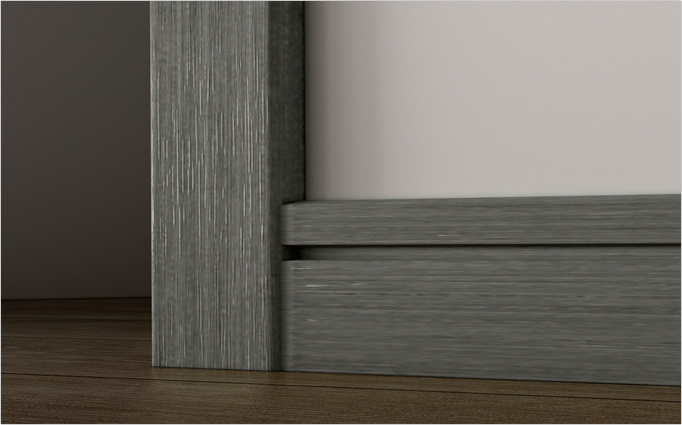
Finishing a flush door is essential for enhancing its appearance and longevity. Proper preparation, selecting the right finish, and applying it with the correct techniques ensure a smooth, durable surface. Jiangshan Oupai Door Industry Co., Ltd. offers flush doors that combine style, durability, and functionality. Whether you're painting, staining, or varnishing, their products provide a long-lasting solution that meets both aesthetic and practical needs for homeowners and businesses.
A: A flush door is a flat, smooth door with no raised panels or intricate designs. It provides a minimalist and modern look, making it versatile for both residential and commercial spaces. Flush doors are ideal for creating a clean, sleek aesthetic.
A: To finish a flush door, you should start by cleaning and sanding the surface. Then, apply the finish of your choice—paint, stain, or varnish. Use a high-quality brush or roller to apply thin coats, allowing each layer to dry before applying the next for the best results.
A: Yes, you can paint a flush door yourself. Start by removing hardware, cleaning, and sanding the door. Apply a primer and then paint in thin, even coats. Ensure each coat is fully dry before applying the next for a smooth and professional finish.
A: Finishing a flush door enhances its aesthetic appeal, provides protection against moisture, and extends its lifespan. A properly finished flush door is more durable and resistant to wear, making it a functional and stylish addition to any space.
A: The cost of finishing a flush door varies depending on the materials and tools used. Generally, finishing costs include the price of paint, stain, or varnish, along with brushes and other supplies. A high-quality finish will ensure long-term durability, so it's worth investing in premium products.
A: When choosing a flush door supplier, it's essential to look for high-quality materials, a variety of finish options, and durability. A reliable supplier, like Jiangshan Oupai Door Industry Co., Ltd., offers flush doors designed for both aesthetic appeal and long-lasting functionality.