- All
- Product Name
- Product Keyword
- Product Model
- Product Summary
- Product Description
- Multi Field Search

Views: 0 Author: Site Editor Publish Time: 2026-02-25 Origin: Site


A Shaker Door looks simple, but that clean geometry is exactly why painting it well matters, especially on an interior door where flat surfaces and crisp panel lines highlight every brush mark, drip, or speck of dust. The advantage of Shaker Door style is that it’s straightforward to refresh, since there are no heavy carvings or intricate profiles to complicate the process. With proper surface preparation, the right primer, and a controlled paint application method, you can achieve a smooth, durable finish that rivals a factory-applied coat. This guide explains how to paint a Shaker Door from start to finish—including prep work, sanding, priming, painting, drying, and careful reinstalling—so your interior door not only looks professionally finished but also stands up to everyday use while maintaining its crisp, clean appearance over time.
Start by removing the handle, latch, and any hooks or door stops attached to the door. If you’re repainting the entire interior door, taking it off the hinges makes it easier to control drips and achieve a smoother finish, especially if you plan to use a roller or sprayer. Label the hinges and screws in a small bag so reassembly is fast, and mark the hinge positions if you’re worried about alignment.
Set up a clean painting area with drop cloths and good lighting. Dust is the enemy of a smooth Shaker Door finish, so avoid garages during windy days or spaces where sanding is happening nearby. Use painter’s pyramids or blocks to lift the door so you can paint edges without sticking, and make sure you have enough room to walk around the door without brushing against wet paint.
Interior doors collect oils, especially around the handle and along the edges where hands push or pull. Clean the Shaker Door thoroughly with a degreaser or a mild cleaner that removes residue without leaving a soapy film. Rinse or wipe down according to the product instructions and let the surface dry completely.
Next, repair dents and dings. Use wood filler for small imperfections, let it cure, then sand it flush. If your Shaker Door has tiny gaps at joints or trim transitions, a paintable caulk can help create a seamless look—but apply it sparingly so you don’t soften the crisp Shaker lines. The goal is to keep edges sharp and surfaces flat.
Sanding is mostly about adhesion and leveling. If the existing paint is in decent shape, you usually don’t need to strip it—just scuff sand to create tooth for primer and paint. A common approach is to start with a medium grit to dull the sheen, then move to a finer grit to remove scratches before priming.
Be careful in the recessed panel corners. Over-sanding can round edges and make the Shaker profile look less crisp. Use a sanding block for flat areas and a folded piece of sandpaper for corners so you stay controlled.
After sanding, remove dust thoroughly. Vacuum the door, especially inside panel corners and along edges, then wipe with a microfiber cloth. Dust left behind will turn into gritty bumps in your finish, which is very noticeable on a Shaker interior door.
Tack cloth can help, but use it lightly. Pressing too hard can leave residue that affects paint bonding. If you’re using water-based products, a slightly damp microfiber wipe (followed by full drying) is often enough to pick up fine dust without leaving anything behind.
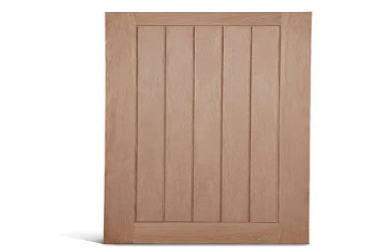
Primer choice depends on what you’re painting over. A bonding primer is ideal when the door has a slick factory finish, a hard enamel, or a surface that needs extra grip. A stain-blocking primer is the better choice if you’re painting over wood tannins, old stains, smoke damage, or any discoloration that might bleed through paint.
If the interior door is raw wood, priming is non-negotiable for an even finish. If it’s previously painted and in great shape, you might still prime for the best uniformity—especially when changing from a dark color to a light one.
Apply primer in a controlled, thin coat. Heavy primer buildup in panel corners can make the Shaker Door look sloppy and can crack later. Work primer into the panel profile first, then coat rails and stiles. Once the primer dries, lightly sand it to knock down texture and create a smooth base for paint.
A smooth primer layer is what gives your topcoat that “furniture-like” finish. Don’t rush this step—Shaker style rewards careful surface prep.
For most DIYers, a high-quality brush plus a foam or microfiber roller is the simplest path to a clean interior door finish. A small roller can lay down paint quickly on flat areas, while a brush helps cut into panel edges and corners. If you have access to a sprayer and can control dust well, spraying can produce the smoothest finish, but it requires more masking, setup, and practice to avoid runs or orange peel.
Whichever method you choose, use paint designed for trim and doors. It levels better and cures harder than standard wall paint, which matters for an interior door that gets touched constantly.
Follow a consistent sequence to avoid lap marks. Paint the recessed panel area first, then rails, then stiles, and finish with the edges. Keep an eye on corners where paint can pool, and smooth out any buildup before it starts to set. Thin, even coats are better than one thick coat—especially on Shaker Doors where texture shows.
Allow proper recoat time between coats. Lightly sanding between coats (once dry) can improve smoothness and reduce dust nibs, giving a more professional final look.
Dry time means the surface feels dry; cure time means the paint has hardened enough to resist dents, sticking, and scuffs. Many interior doors get damaged because they are rehung too soon, pressed against door stops, or closed tightly before the paint cures. Even if the Shaker Door looks dry, give it enough time before heavy handling.
If you’re working in a humid or cool space, drying and curing take longer. Good airflow helps, but avoid blowing dusty air directly across wet paint.
Once the paint is dry enough to handle safely, reinstall hardware carefully. Use a cloth under tools to avoid scratches, and tighten screws without slipping. After rehanging, check that the door closes smoothly and doesn’t rub. Add small bumpers where the door contacts the jamb to prevent sticking and protect your new finish.
Keep a small amount of paint for touch-ups. Interior doors often get small nicks near handles, and quick touch-ups help maintain that crisp Shaker look.
Laying it flat often reduces drips and helps leveling, especially with rollers or sprayers. Painting while hanging can work, but it’s easier to miss edges and more likely to get runs.
Satin is a popular middle ground for interior doors because it’s cleanable and not overly shiny. Semi-gloss is more durable but highlights surface imperfections; eggshell is softer but can mark more easily.
Use a quality brush, don’t overload it, and feather out paint from corners into the flat areas. Rolling the flats after brushing (while still wet) can help blend texture.
Yes in most cases, as long as you clean well, scuff sand, and use a bonding primer designed for slick surfaces. This creates adhesion so the topcoat won’t peel.
Painting a Shaker Door is all about disciplined prep and controlled application, because the clean lines that make Shaker style so appealing also make flaws easier to spot. Clean thoroughly to remove oils and residue, scuff-sand for reliable adhesion, and use the right primer to create a uniform, stain-resistant base. Then apply thin, even coats in a consistent sequence—panels first, then rails, then stiles—so the recessed details stay crisp and the flat surfaces level smoothly without drips or lap marks. Finally, respect the difference between dry time and cure time: letting the finish fully harden before rehanging hardware, closing the door, or wiping it down prevents sticking, dents, and premature wear. With patience and the right steps, your Shaker interior door will look professionally finished, feel durable in daily use, resist fingerprints and scuffs better, and remain easy to touch up or refresh in the future.