- All
- Product Name
- Product Keyword
- Product Model
- Product Summary
- Product Description
- Multi Field Search


Shaker Door styles have become a go-to solution for homeowners, designers, and builders who want an interior door that feels current without looking trendy. In a market filled with overly decorative profiles and short-lived design fads, the Shaker Door stands out for one reason: it is simple on purpose. Its clean lines work in modern homes, classic renovations, and everything in between, making it a reliable choice for long-term interior design.
As an interior door, a Shaker Door also fits the practical needs of everyday living. It pairs easily with different wall colors, flooring materials, and hardware finishes, and it is well-suited to repainting or refinishing over time. If you are planning a remodel, building a new home, or sourcing interior doors for a multi-unit project, understanding what a Shaker Door is—and how to choose the right version—will help you make a smarter, more future-proof decision.
The Shaker aesthetic traces back to the Shaker communities of the 18th and 19th centuries, who believed that good design should be honest, functional, and free from unnecessary decoration. Their furniture and interior elements were defined by craftsmanship and restraint: strong joinery, balanced proportions, and minimal ornamentation. That philosophy is exactly what made the Shaker Door such a lasting interior door style.
In today’s interiors, the Shaker influence has been adapted into architectural components—especially doors—because it offers a clean, structured look that does not compete with other design features. Whether your interior includes bold lighting, textured walls, or open-plan layouts, a Shaker Door acts as a calm visual anchor.
A Shaker Door is typically defined by a framed construction with a flat or recessed center panel. The frame is formed by vertical stiles and horizontal rails, creating a crisp rectangular outline. The center panel sits slightly back (recessed) or flush depending on the model, but the overall effect remains straightforward: straight edges, simple geometry, and a consistent profile.
As an interior door, the Shaker Door is also known for proportion. The width of the stiles and rails is usually balanced to create a modern, orderly appearance. This balanced structure is why Shaker Doors look “right” across many room sizes, from compact bedrooms to wide hallway openings.
The most recognizable feature of a Shaker Door is its clean frame-and-panel layout. Unlike ornate raised-panel doors that rely on curves and decorative molding, Shaker Doors emphasize straight lines and flat surfaces. The recessed panel creates subtle depth and shadow, which adds visual interest without becoming busy.
This style is especially effective for interior doors because it complements both minimalist and layered interiors. In a modern setting, the Shaker Door can feel sleek and architectural. In a farmhouse or transitional home, it provides structure and warmth without looking overly traditional. The result is an interior door that blends in when you want it to, and looks intentional when you highlight it with color or hardware.
Shaker Doors are also popular because the design lends itself well to durable construction. Many Shaker interior doors are made from solid wood, engineered wood, MDF, or a combination of materials paired with different core options. Because the look is simple, manufacturers can focus on stability, straightness, and surface quality—factors that matter most for everyday use.
For interior door applications, durability is not only about impact resistance. It’s also about how well the door stays aligned, how it performs through seasonal changes, and how it holds paint or veneer. A well-built Shaker Door can maintain its clean edges and crisp geometry for years, which is a big reason it is often specified for long-term projects.
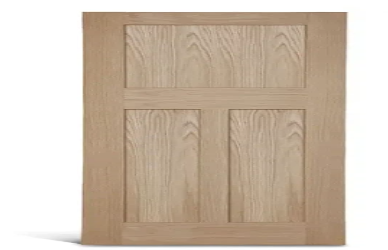
While the “classic” Shaker Door often appears as a single recessed panel, there are many variations that work as interior doors. A one-panel Shaker Door is typically the most modern-looking option—ideal for contemporary homes, apartments, and offices. Two-panel versions can add a touch of tradition while still maintaining the Shaker simplicity, and multi-panel designs (such as four-panel) can suit larger homes with more classic proportions.
Choosing a panel layout is not only about style. It can also influence the perceived height of a room. Vertical panel proportions can make ceilings feel taller, while more segmented panel layouts can create a more traditional rhythm in hallways or older homes.
Shaker styling can also be combined with glass inserts, producing Shaker-inspired French doors or interior doors with partial glazing. This is a popular choice for home offices, dining rooms, and transitional spaces where you want light flow without losing the clean Shaker frame.
For projects with performance needs, Shaker interior doors may come in specialty configurations such as fire-rated doors, acoustic-rated doors, or doors designed for high-traffic commercial environments. These versions maintain the Shaker appearance while meeting building and project requirements, which is why the Shaker Door is frequently used in both residential and professional interiors.
One of the strongest reasons to choose a Shaker Door is how adaptable it is. A Shaker interior door can look modern with matte black hardware and a crisp white finish, or it can feel warm and traditional with natural wood tones and brushed nickel handles. It works with minimalist interiors, Scandinavian palettes, transitional decor, and modern farmhouse designs, largely because it does not impose a strong decorative theme.
This versatility is valuable in real projects, especially when a home has mixed design elements. If the kitchen is modern but the living area leans classic, a Shaker Door can bridge the gap. As an interior door choice, it helps keep the home cohesive even when rooms differ in style.
Interior doors are often replaced during renovations because older styles can date a home. Shaker Doors avoid that problem. The design is timeless, and it can be refreshed easily with paint or a new finish. If you want a door style that will still feel relevant years from now, the Shaker Door is one of the safest design bets.
Maintenance is also straightforward. Flat surfaces are easier to clean than ornate profiles that collect dust. If you have children, pets, or heavy daily use, the Shaker Door’s practical simplicity can make upkeep easier without sacrificing aesthetics.
Material choice matters because it affects feel, stability, and cost. Solid wood Shaker Doors often deliver a premium weight and texture, and they can be refinished more easily over time. However, engineered options—such as MDF skins with engineered cores—can offer excellent stability, especially in climates where humidity changes are significant.
For interior door projects, you should consider where the door will be installed. Bedrooms and living spaces typically prioritize appearance and smooth operation. Closets and utility areas may prioritize budget. In multi-unit developments, engineered-core Shaker Doors can provide consistent quality and cost control while still delivering the desired design.
Shaker Doors look particularly strong in paint-grade finishes because the flat planes and clean edges showcase color well. White and soft neutrals remain popular, but deeper tones—charcoal, navy, and muted greens—can make a Shaker interior door a bold design feature.
If you prefer a natural look, veneer options can add warmth and grain character while keeping the Shaker geometry. In commercial or hospitality projects, customized finishes may be used to match brand palettes, room concepts, or durability requirements. The key is to match finish choice with traffic level and maintenance expectations.
Yes—Shaker Doors can work well in humid climates, but the best choice depends on construction. Engineered cores and quality surface sealing typically offer better dimensional stability than some solid wood options, helping the interior door resist warping or swelling.
They can, especially when paired with the right core and seals. A solid or high-density core Shaker Door, combined with proper frame alignment and door sweeps or gasketing, generally performs better acoustically than a hollow-core interior door.
Because the design is clean, many hardware styles work. Matte black levers create a modern look, brushed nickel fits transitional interiors, and brass tones add warmth. The main rule is proportional balance: choose hardware that matches the door’s simplicity and the room’s overall style.
For an experienced installer, replacing an interior door slab can take about 1–2 hours, while installing a prehung Shaker interior door may take longer depending on framing, leveling, and trim work. Multi-door projects often move faster once measurements and processes are standardized.
A Shaker Door is one of the most reliable choices for an interior door because it blends timeless design with everyday practicality. Its clean lines and recessed panel details suit modern, transitional, and classic spaces alike, while a wide range of panel layouts, materials, core options, and finishes makes it easy to match your budget and performance needs. Whether you’re renovating a single room or specifying doors for a larger project, choosing a Shaker Door helps create a cohesive look that stays stylish for years and remains easy to maintain.